
Navigating the Landscapes of Northeastern Africa
Egypt travelling guides for the traveller into Egypt seeking to understand the environment, social customs, and daily rhythms of the region.
Regional Geography
Fertile riverbanks and expansive desert sands shape daily life.
Seasonal Shifts
Intense summer heat and mild winter days with cold desert nights.
Local Transit
Rail, road, and water-based routes connect residential and historical areas.
Hydration
Carry water at all times, especially away from urban centers.
Exploring a region defined by arid stretches and fertile riverbanks requires preparation and cultural awareness. This guide serves as a resource for the traveller into Egypt who seeks to understand the environment, social customs, and daily rhythms of the area.
We focus on providing objective details regarding climate, attire, and local interactions to help visitors move through the region with ease. By understanding the foundational aspects of the local lifestyle, you can better appreciate the historical and natural surroundings without the common stresses of the unknown.
The Land and Its Rhythms
Understanding the Regional Geography
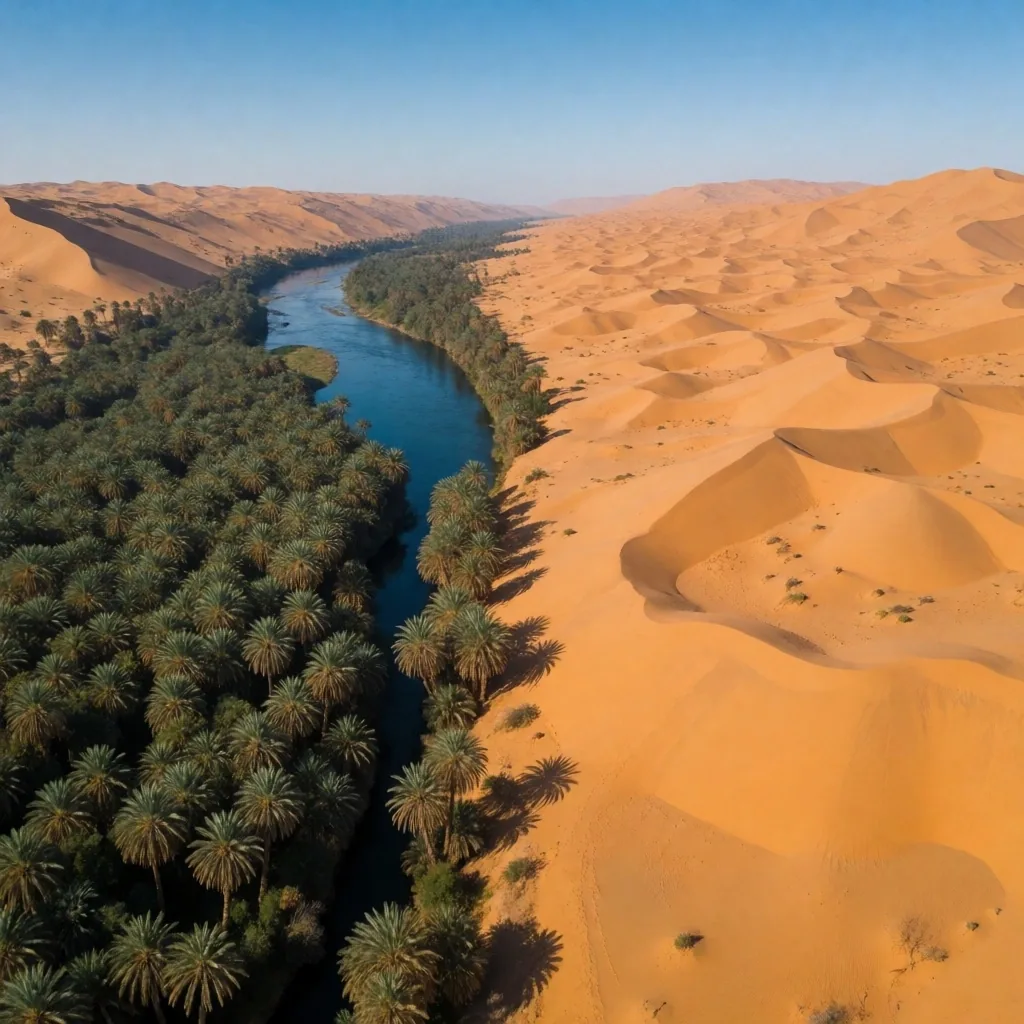
The local geography is dominated by a stark contrast between the lush greenery along the central waterway and the expansive desert sands that stretch toward the horizons. These two distinct environments dictate everything from agricultural cycles to where the most prominent settlements are situated.
Coastal areas offer a different experience entirely, with salty air and steady breezes that differ from the dry heat found in the interior plains. Recognizing these geographic zones helps in planning daily activities and managing expectations for travel times between different zones. The shift from riverside humidity to desert aridity can happen within a short distance, and each zone carries its own demands on clothing, water, and timing.
Seasonal Variations and Sunlight
Daylight hours and temperature ranges fluctuate significantly depending on the time of year. Summer periods often see intense heat that peaks in the mid-afternoon, making midday movement difficult for those unaccustomed to the sun.
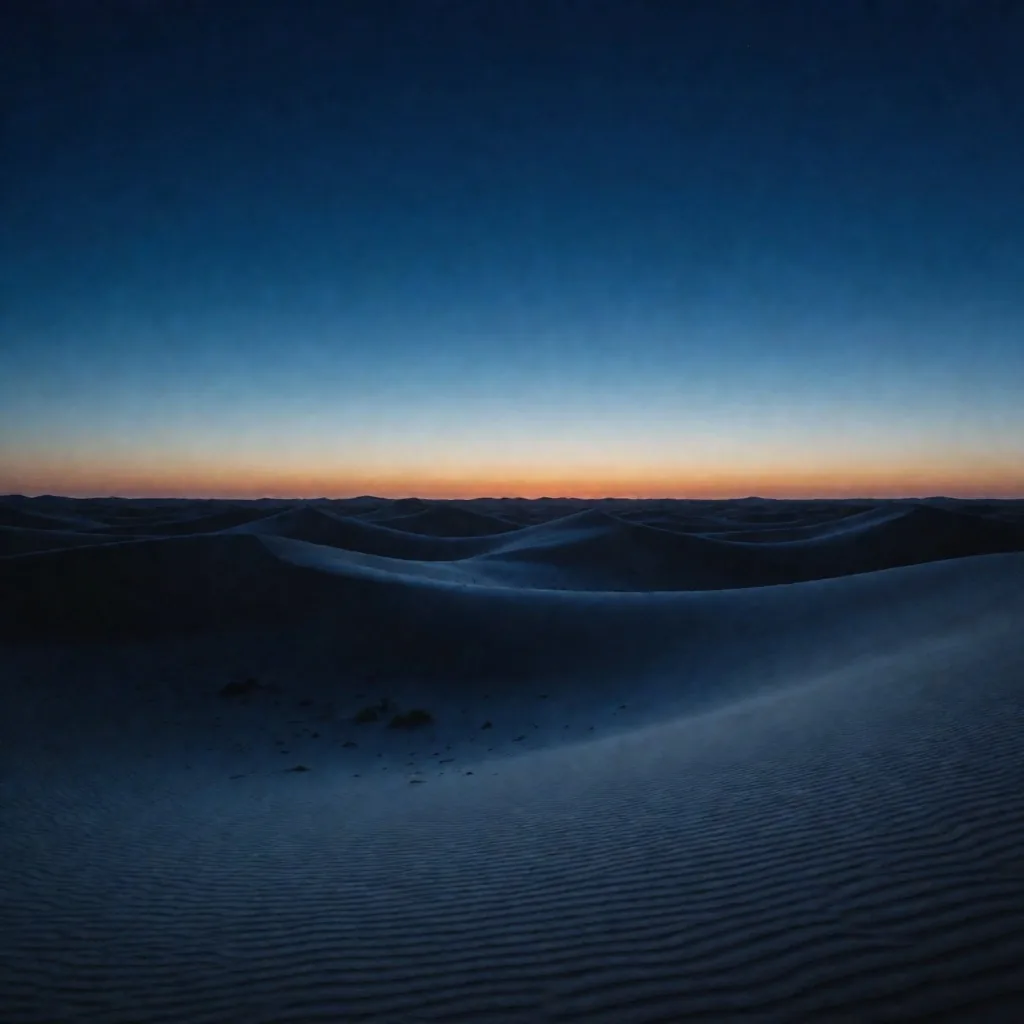
In contrast, winter months provide a milder climate during the day, though temperatures can drop sharply once the sun sets over the desert. Planning for these shifts ensures that time spent outdoors remains manageable and that physiological needs, such as hydration and shade-seeking, are prioritized. The shoulder seasons often provide the most comfortable conditions for extended outdoor movement.
Navigating Local Transportation
Movement between different areas typically involves a mix of rail, road, and water-based options. Public transit systems are widely used by locals, offering a glimpse into the daily commute of the population.
While some routes are well-established and frequent, others may operate on a more flexible schedule that requires patience and a basic understanding of local transit hubs. Understanding how these systems connect different residential and historical zones is a primary step for any successful expedition through the region.
Daily Wellbeing and Interaction
The Importance of Hydration
In a climate where the sun is a constant presence, managing water intake is a vital aspect of health. Bottled options are widely available and are generally recommended for those visiting from other parts of the world.
It is a common practice to carry a supply at all times, especially when moving away from urban centers where facilities might be sparse. Monitoring personal well-being and recognizing the early signs of heat fatigue can prevent minor discomforts from becoming larger issues during a trip.
Local Interaction and Communication
Engaging with the local population is often characterized by a high degree of hospitality and social openness. While English is spoken in many areas, learning a few basic phrases in the local tongue is viewed as a sign of respect.
Conversations often begin with standard pleasantries, and rushing into a specific request without these formalities can be seen as abrupt.
Food and the Built Environment
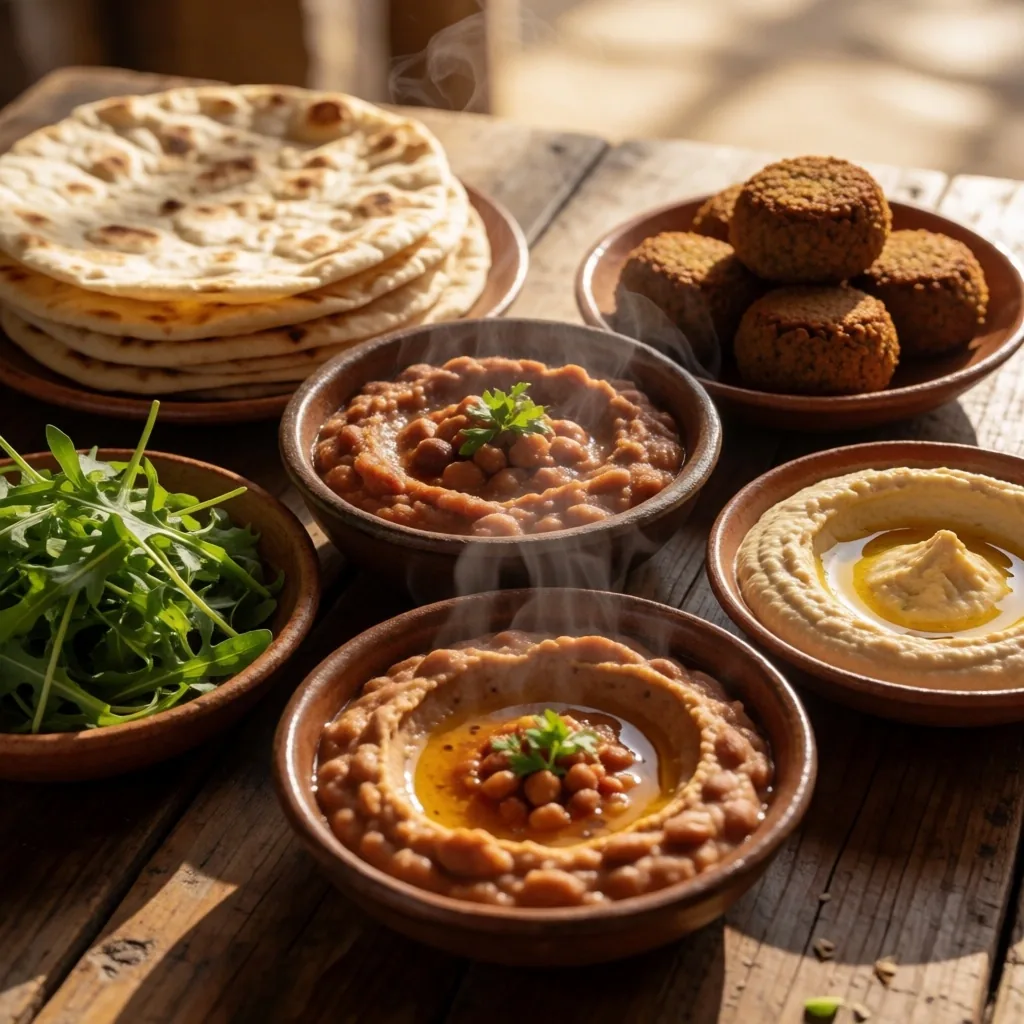
Dining Traditions and Food Safety
The local cuisine is a reflection of the agrarian history of the river valley, focusing on legumes, grains, and fresh vegetables. Street stalls and local eateries provide a wide variety of traditional dishes that have remained staples for generations.
When selecting where to eat, observing the turnover of customers can be a good indicator of freshness. It is also advisable to peel fruits and ensure that cooked food is served hot, adhering to standard international health precautions for travellers.
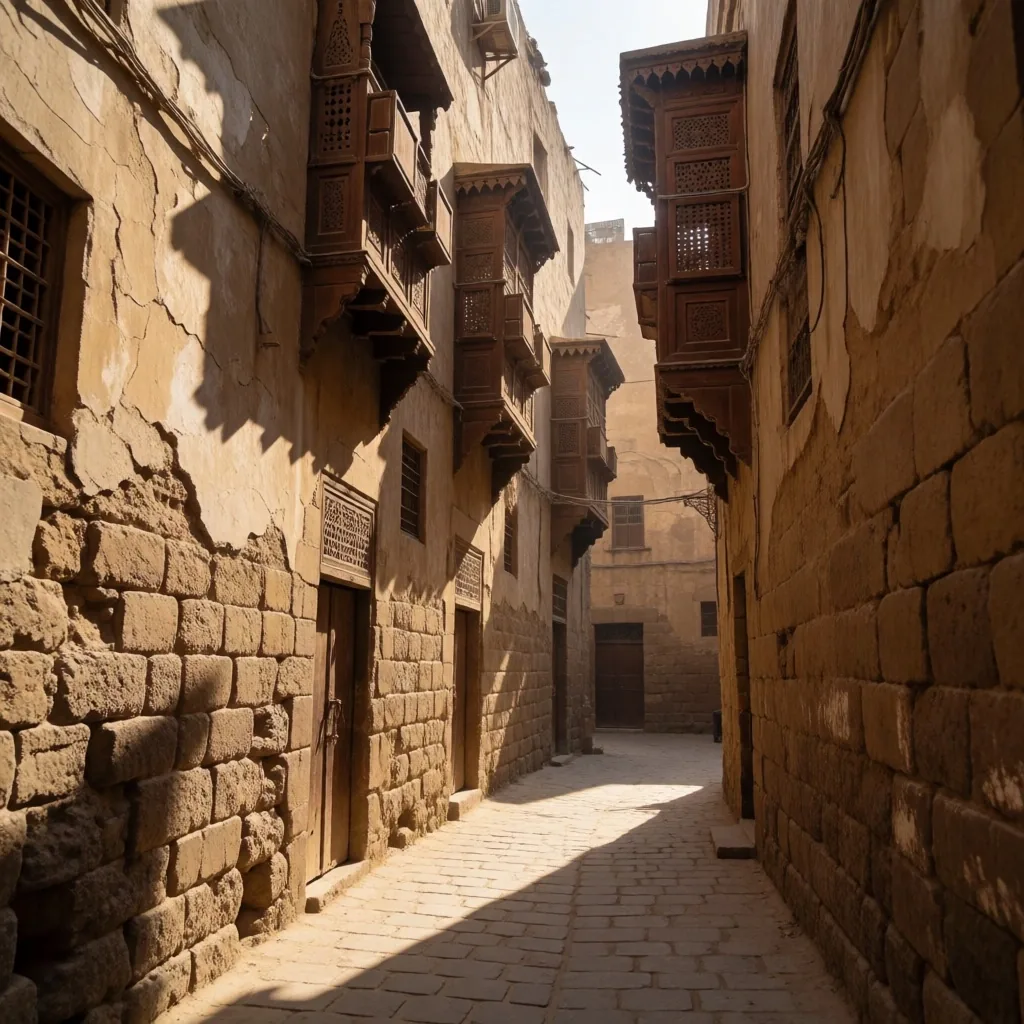
Architecture and Urban Layouts
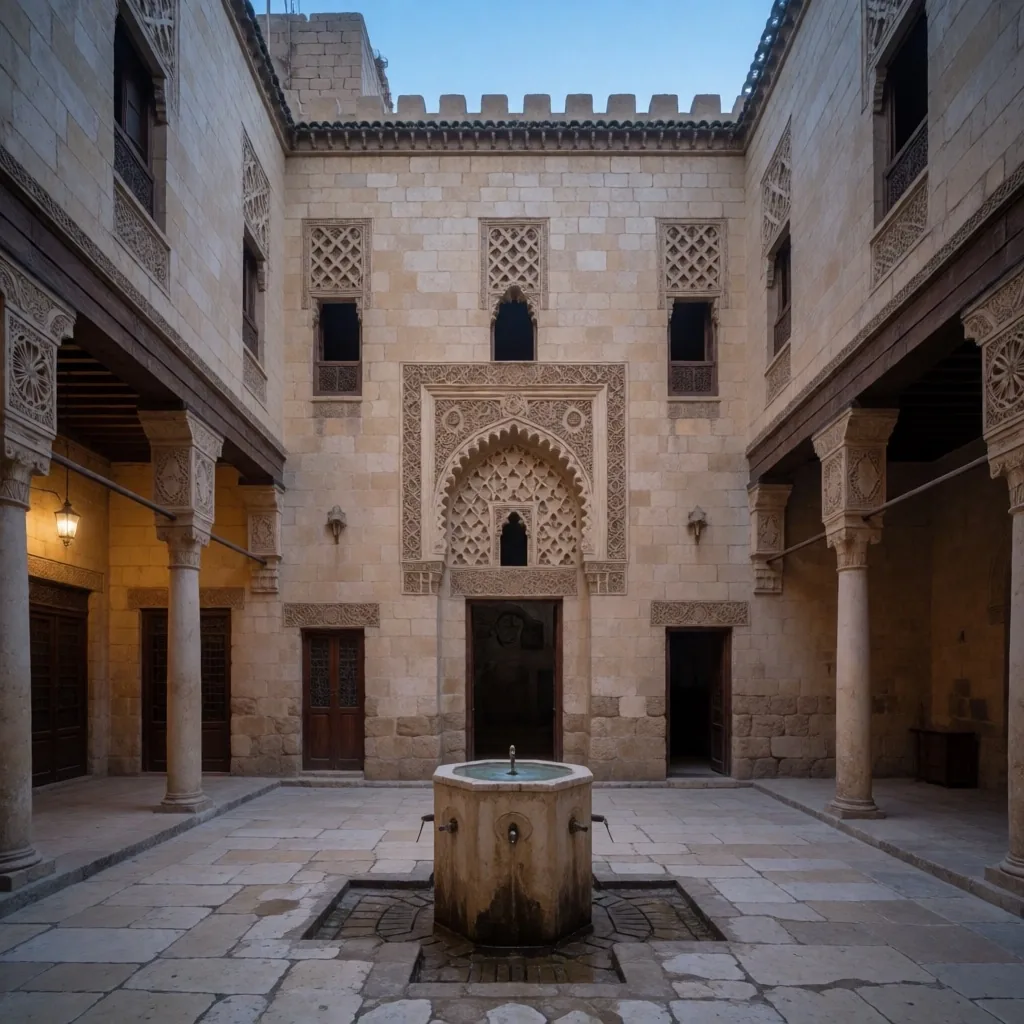
Urban centers are a mixture of ancient influences and modern growth, resulting in a dense and often complex layout. Streets in older quarters are narrow and winding, designed to provide shade and break the wind, while newer districts feature wider boulevards.
Navigating these spaces requires a keen eye for landmarks, as street signs may not always be in a familiar script or located where expected. Observing how locals navigate these spaces can provide valuable clues for finding your way through the busiest intersections.
Visual Cues and Natural Beauty
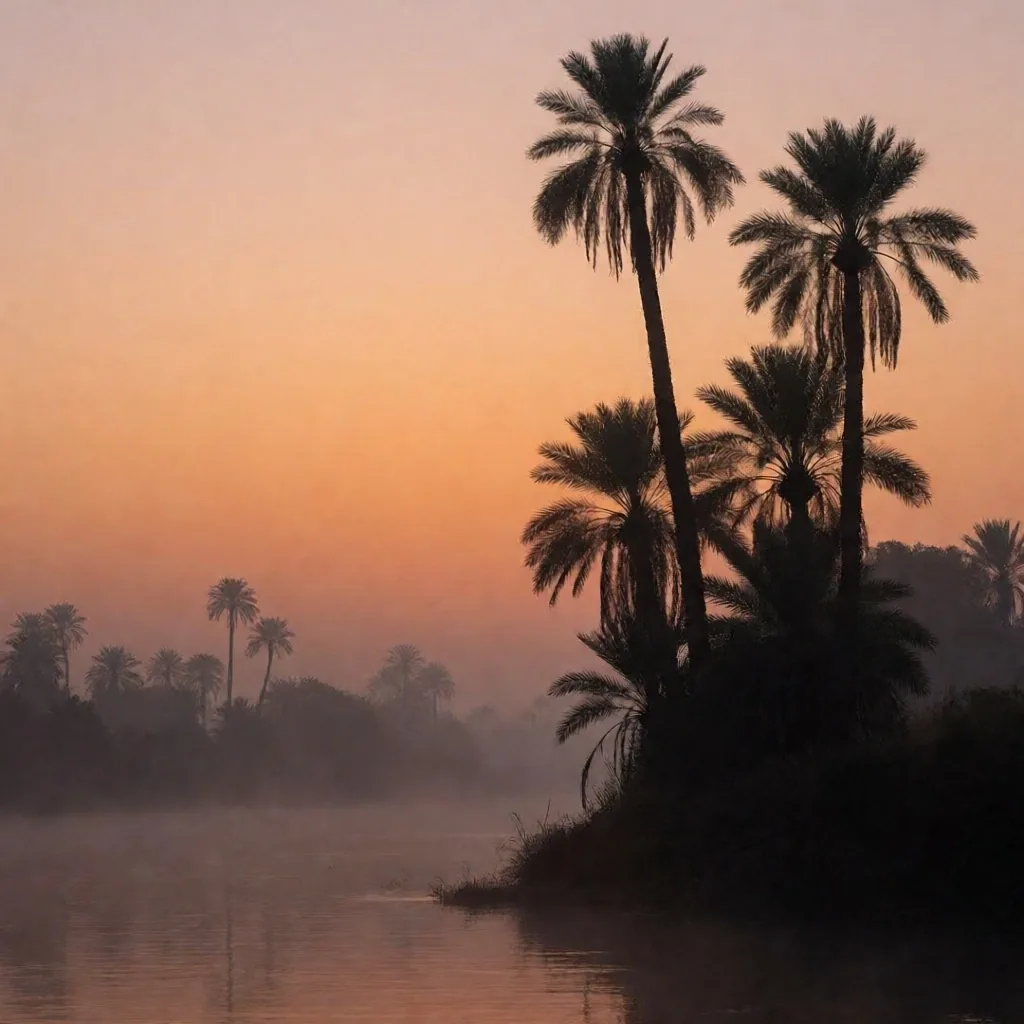
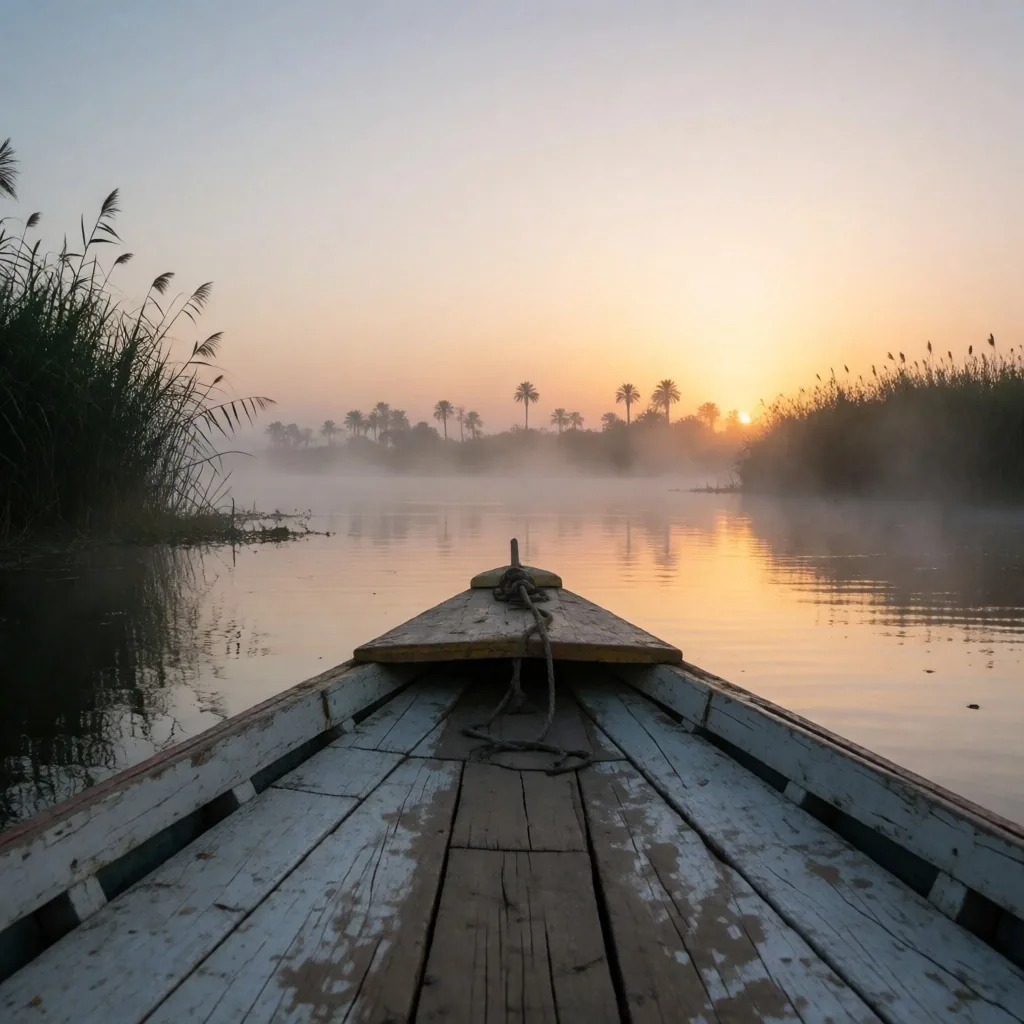
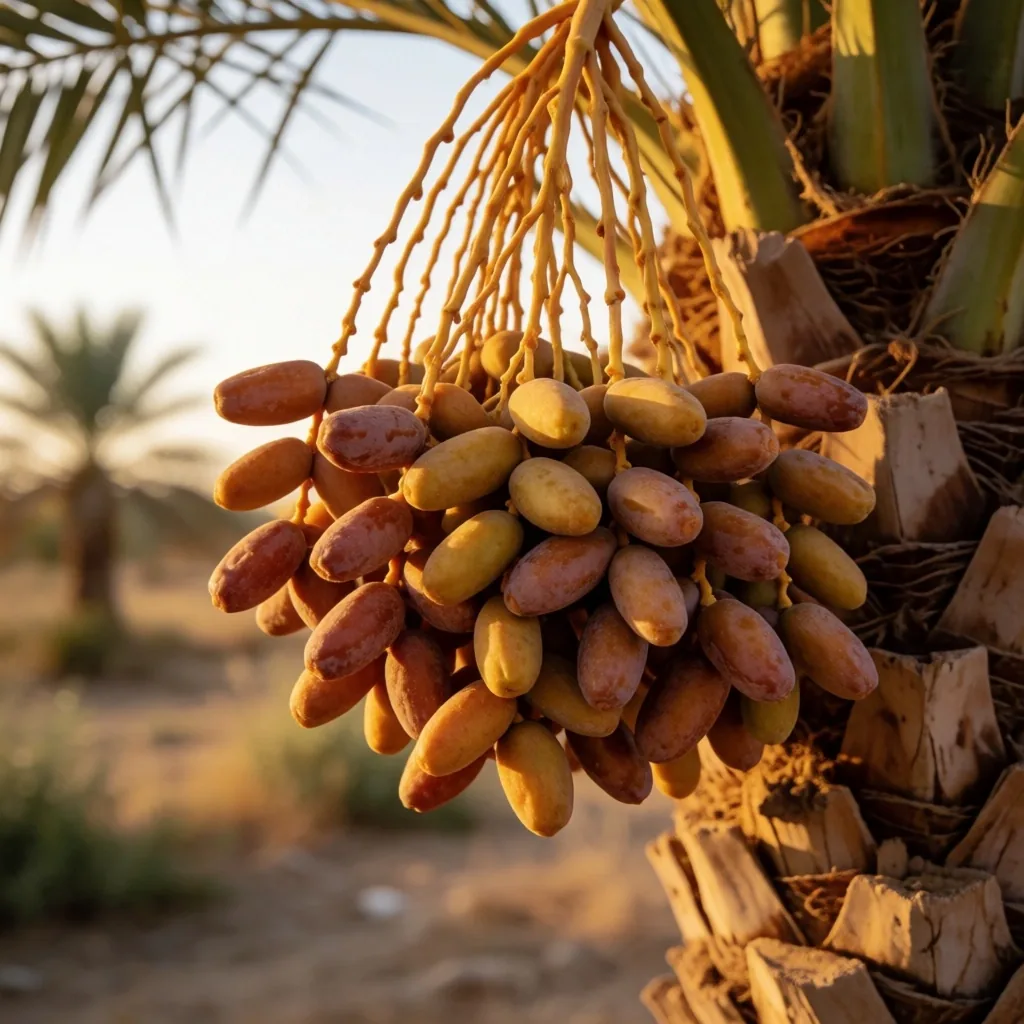
The visual identity of the region is inseparable from the presence of palm trees, which line the riverbanks and dot the desert oases. These trees are not only aesthetic but serve as a source of shade and traditional building materials.
The horizon is often painted in shades of ochre and gold, shifting to deep blues and purples at dusk. Understanding the visual language of the landscape — from the silhouettes of date palms to the way light reflects off the water — helps in documenting and remembering the unique atmosphere of the region.
Documentation and Personal Gear
Photography and Documentation
Capturing the essence of the journey through photography is a common desire, yet it requires sensitivity to local privacy and regulations. It is always best to ask for permission before taking portraits of individuals, and certain government or infrastructure sites may be restricted for security reasons.
Focusing on the natural landscape, the intricate details of local crafts, and the general street life provides a rich visual record without infringing on social norms. Respecting these boundaries ensures a positive experience for both the visitor and the resident.
Managing Personal Gear
Moving through varied terrain — from sandy paths to paved city streets — requires gear that is both durable and lightweight. A sturdy bag that can be secured is essential for carrying daily necessities like maps, sun protection, and water.
Keeping belongings organized and within reach helps in maintaining focus on the surroundings rather than constantly searching for misplaced items. It is also wise to keep physical copies of important documents in a separate location from the originals.
See the packing listMarkets and Spiritual Life
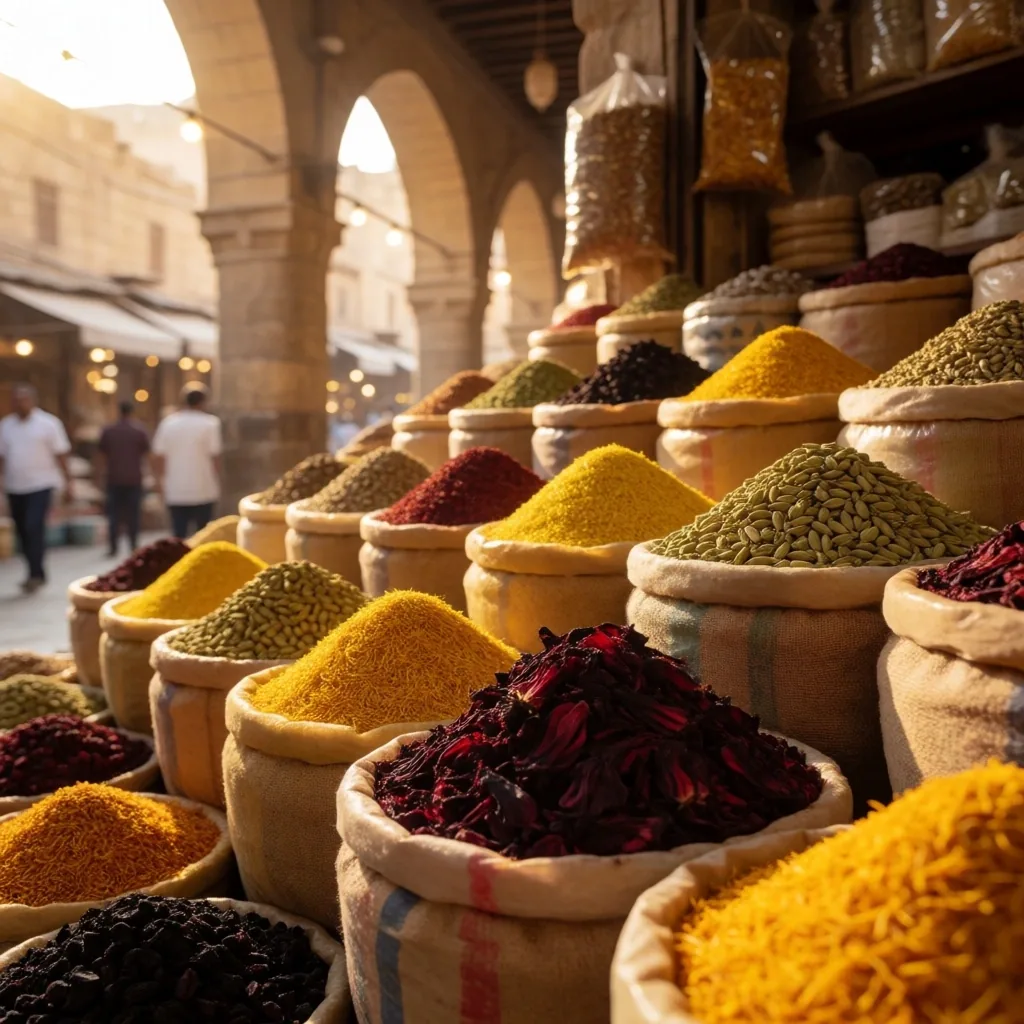
The Role of Markets
Local markets are the heart of social and economic life, serving as gathering places where goods from all over the country are traded. These spaces are sensory-rich, filled with the scents of spices and the sounds of negotiation.
Even for those not intending to acquire items, walking through a market provides insight into the local economy and the types of products that are valued in the region. Observing the interaction between sellers and buyers is a lesson in the local art of social commerce.
Respecting Religious Observances
The region has a deep-seated spiritual life that influences daily schedules and social expectations. Prayer times occur throughout the day, and during these moments, some shops may close temporarily or the general noise level may subside.
Being aware of these times and showing respect for places of worship is fundamental. During specific months of the year, communal fasting may be observed during daylight hours, which can affect the availability of food and the general pace of life in public spaces.
Common Questions from Travellers
Early morning and late afternoon offer the most manageable temperatures. Midday heat during summer can be intense, so planning indoor or shaded activities between noon and three in the afternoon is advisable. Winter midday hours are comfortable for extended outdoor exploration.
Lightweight, loose-fitting garments that cover shoulders and knees are the most practical choice. This respects local social expectations and also provides physical protection from the sun. A scarf or light layer is useful for entering places of worship.
Our egypt travelling guides focus on the general environmental, cultural, and logistical realities shared across the region. We do not name specific attractions or sites. The information is designed to prepare any traveller into Egypt with a foundational understanding of what to expect.
A sturdy bag with water, sun protection, a basic map or offline navigation tool, and physical copies of important documents kept separately from originals. A light snack and a small first-aid supply are also useful for longer outings away from urban centers.
Landscapes and general street scenes are usually fine, but always ask before photographing individuals. Some infrastructure and government sites restrict photography for security reasons. When in doubt, ask a local or observe what others are doing.
Begin Your Journey With Confidence
Traveler Insight Egypt provides travel guides for those who want to understand the land before arriving. Use our resources to prepare for climate, culture, and daily navigation.
1 gad el hak street, Sheraton Heliopolis, Cairo Governorate
+201099544425
Mon–Fri: 9:00–18:00