Traveler Insight Egypt
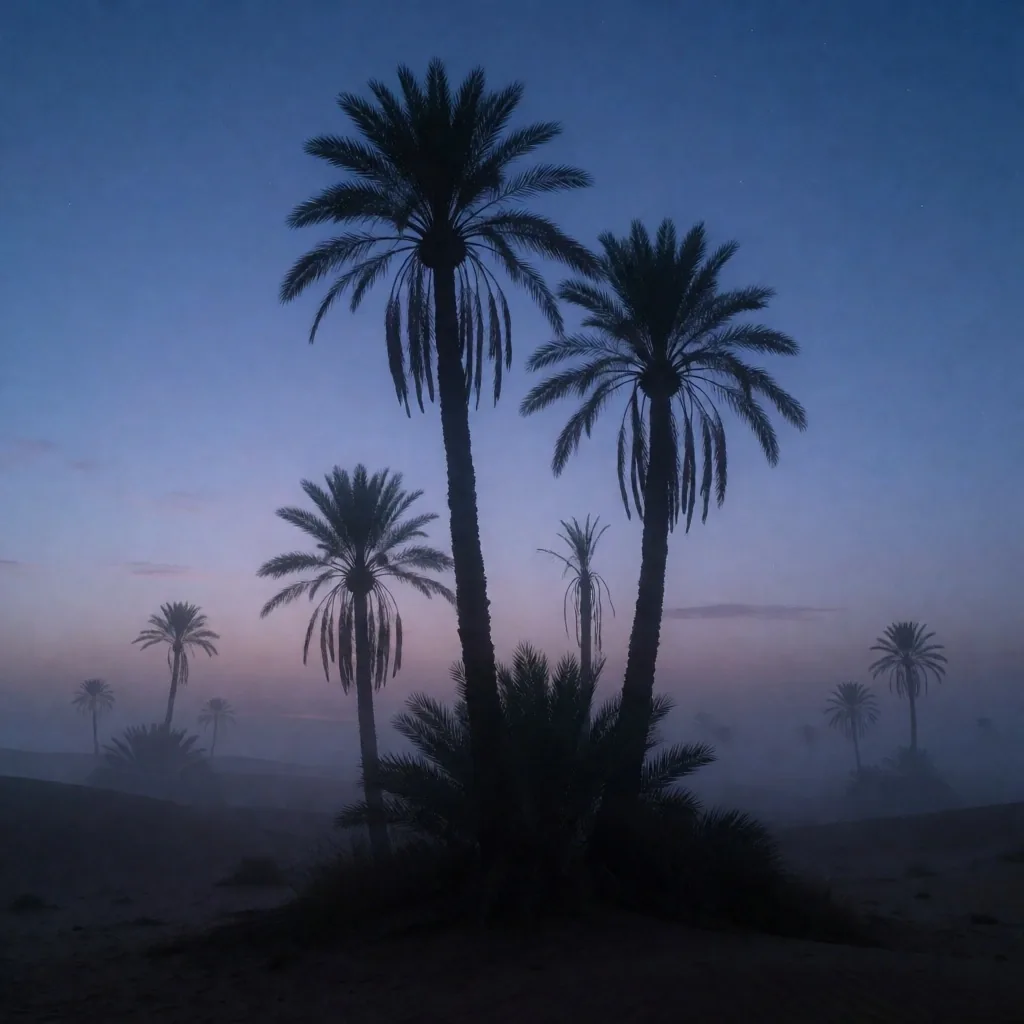
Palm trees silhouetted against a dawn sky over the desert
Packing Essentials

Essential Preparation for the Regional Climate

A practical wardrobe guide for the traveller into Egypt — covering fabric, footwear, sun protection, and cultural considerations for arid conditions.

01 / Fabric

Cotton & linen for heat management

02 / Footwear

Sturdy shoes for diverse terrains

03 / Sun Care

SPF, hat, and UV protection

04 / Modesty

Cultural respect through layers

Introduction

Preparing for a journey through this part of the world requires a strategic approach to clothing and equipment. The combination of intense sunlight, arid conditions, and social norms regarding modesty necessitates a wardrobe that is functional yet respectful. This guide outlines the most effective ways to pack for the diverse environments found across the region, ensuring that the traveller into Egypt remains comfortable regardless of the temperature or terrain.

Our egypt travelling guides focus on what to carry, what to leave behind, and how to adapt when the midday heat exceeds what your wardrobe was designed for at home.
Chapter 01

Fabric Choices for Heat Management

Natural fibers such as cotton and linen are the most effective materials for staying cool in the desert heat. These fabrics allow for better airflow and moisture absorption compared to synthetic materials, which can trap heat against the skin and leave you perspiring more than necessary.

Light-colored clothing is also preferable as it reflects sunlight rather than absorbing it. Choosing loose-fitting garments not only aids in cooling but also aligns with the local preference for modest attire in public spaces.

Cotton and linen breathe naturally — synthetic blends like polyester trap warmth and hold moisture against the skin.

White, cream, and pale sand tones reflect sunlight; dark colors absorb heat and increase body temperature noticeably.

Loose cuts allow air to circulate between fabric and skin, which also aligns with local expectations for modest public dress.

Chapter 02

Footwear for Diverse Terrains

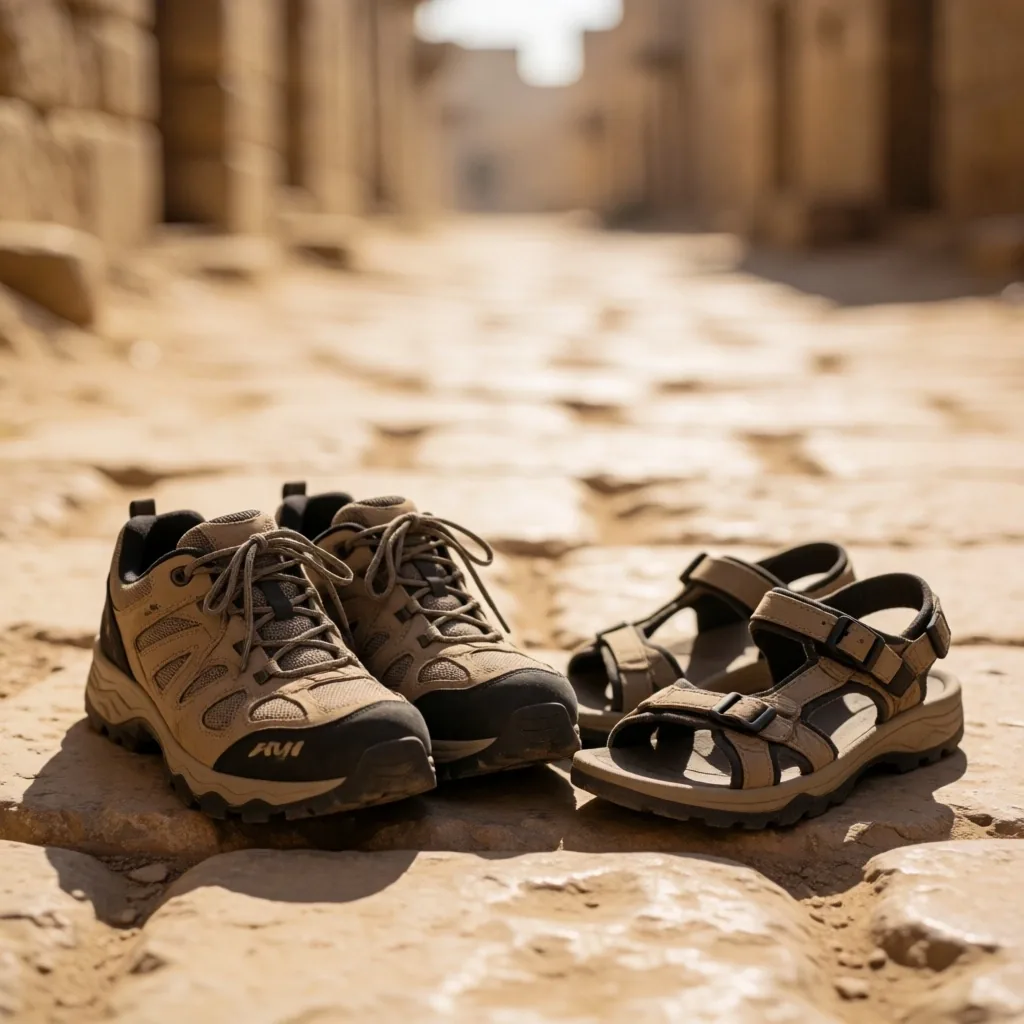
A trip often involves walking on a variety of surfaces, including uneven stone, soft sand, and dusty urban pavement. A pair of sturdy, broken-in walking shoes or closed-toe sandals with good arch support is a necessity.

While open sandals are popular for heat, closed shoes provide better protection against the dust and grit common in many areas. It is also advisable to bring a pair of lightweight shoes for evening use or within indoor settings.

Break in any new pair for at least a full week of daily wear before you travel — blisters on day one will limit every route you planned to walk.

Walking shoes and sandals on warm sand
Chapter 03

Sun Protection and Skin Care

The sun's intensity in this region can lead to rapid skin damage and dehydration if precautions are not taken. A high-SPF sunscreen, a wide-brimmed hat, and UV-protective sunglasses are non-negotiable items for any daily excursion.

Additionally, carrying a lightweight scarf or pashmina can be useful for covering the head or shoulders when the sun is particularly strong or when entering specific cultural sites. Lip balm with sun protection and a heavy-duty moisturizer are also recommended to combat the drying effects of the desert air.

Daily Carry

SPF 30+ sunscreen, wide-brimmed hat, UV sunglasses, and a light scarf for head and shoulder coverage.

Skin Recovery

Lip balm with SPF and a thick moisturizer counter the desert air's drying effect overnight.

Chapter 04

Modesty and Cultural Considerations

Respecting local customs involves choosing clothing that covers the shoulders and knees. For men, this generally means trousers or long shorts, while women often opt for long skirts, loose pants, or dresses that provide coverage.

While beach areas may have more relaxed standards, urban and rural environments require a more conservative approach. Packing layers is an effective way to transition between the heat of the day and the cooler evenings or more traditional neighborhoods.

A lightweight long-sleeved shirt worn over a tank top gives you a quick on-off layer when you step from a coastal area into a town center or a place of worship.

Coverage Guide

Shoulders

Keep covered in towns and rural areas; a scarf draped over the shoulders works when a full sleeve feels too warm.

Knees

Trousers, long skirts, or loose pants keep you comfortable in both heat and social settings.

Layers

A cardigan or light overshirt lets you shift between daytime heat and cooler evening air without carrying a full change of clothes.

Chapter 05

Health and First Aid Supplies

While pharmacies are common in major cities, having a small personal first aid kit is prudent for immediate needs. Essential items include adhesive bandages, antiseptic wipes, and medications for common digestive issues.

Rehydration salts are particularly useful if one experiences the effects of heat exhaustion. It is also wise to carry any personal prescriptions in their original packaging, accompanied by a copy of the doctor's note for clarity during travel.

Bandages

Adhesive strips in assorted sizes

Antiseptic

Wipes and a small gel bottle

Rehydration

Oral salts in sealed sachets

Digestive

Standard stomach medication

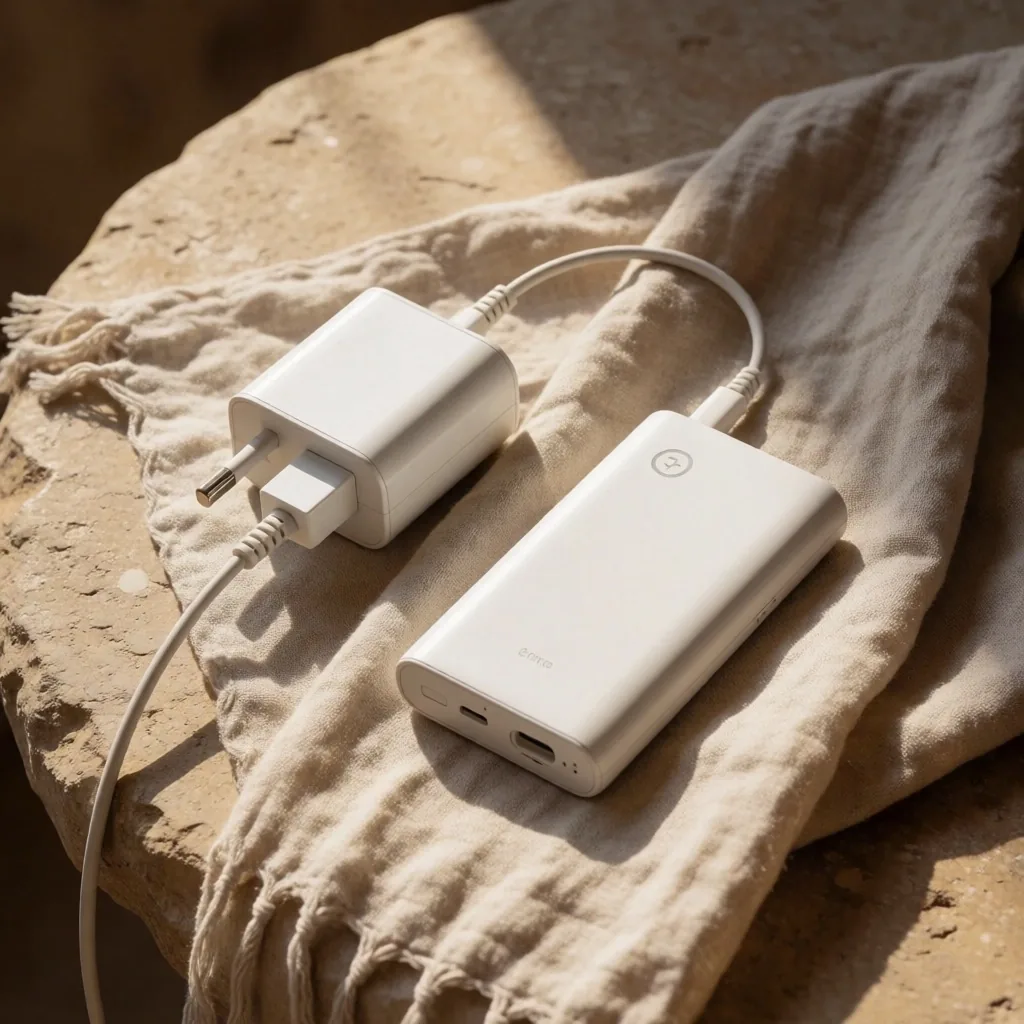
Power adapter and power bank on a woven surface
Chapter 06

Electronics and Connectivity

The local power supply typically uses the European-style two-pin plug, so an international adapter may be necessary for those from other regions. A portable power bank is highly recommended, as long days of navigating and taking photos can quickly drain mobile device batteries.

Given the heat, it is important to keep electronics in a shaded part of your bag to prevent overheating. If you plan on using local data, ensure your device is unlocked before arrival.

Adapter type: European two-pin round plug. Check yours before departure rather than searching on arrival.

Power bank: 10,000 mAh or higher gives a full second day of phone use between charges.

Heat protection: never leave phones or batteries on a sunlit car seat — internal temperature can spike fast.

Chapter 07

Documentation and Security

Keeping your travel documents organized is crucial for a smooth experience through various checkpoints. A waterproof folder or pouch for passports, insurance details, and printed itineraries helps protect them from dust and moisture.

It is also helpful to have a small amount of local currency in lower denominations for minor expenses where electronic payments might not be accepted. Utilizing a money belt or a secure inner pocket in a backpack can add an extra layer of security in crowded areas.

Waterproof pouch

Passport, insurance card, and printed itinerary stay dry and dust-free.

Local currency

Small notes for tips, water, and minor costs where card readers are unavailable.

Money belt

Worn under clothing in busy markets and transit hubs for passport and spare cash.

Copies

Printed and digital copies of passport pages stored separately from the original.

Chapter 08

Miscellaneous Comfort Items

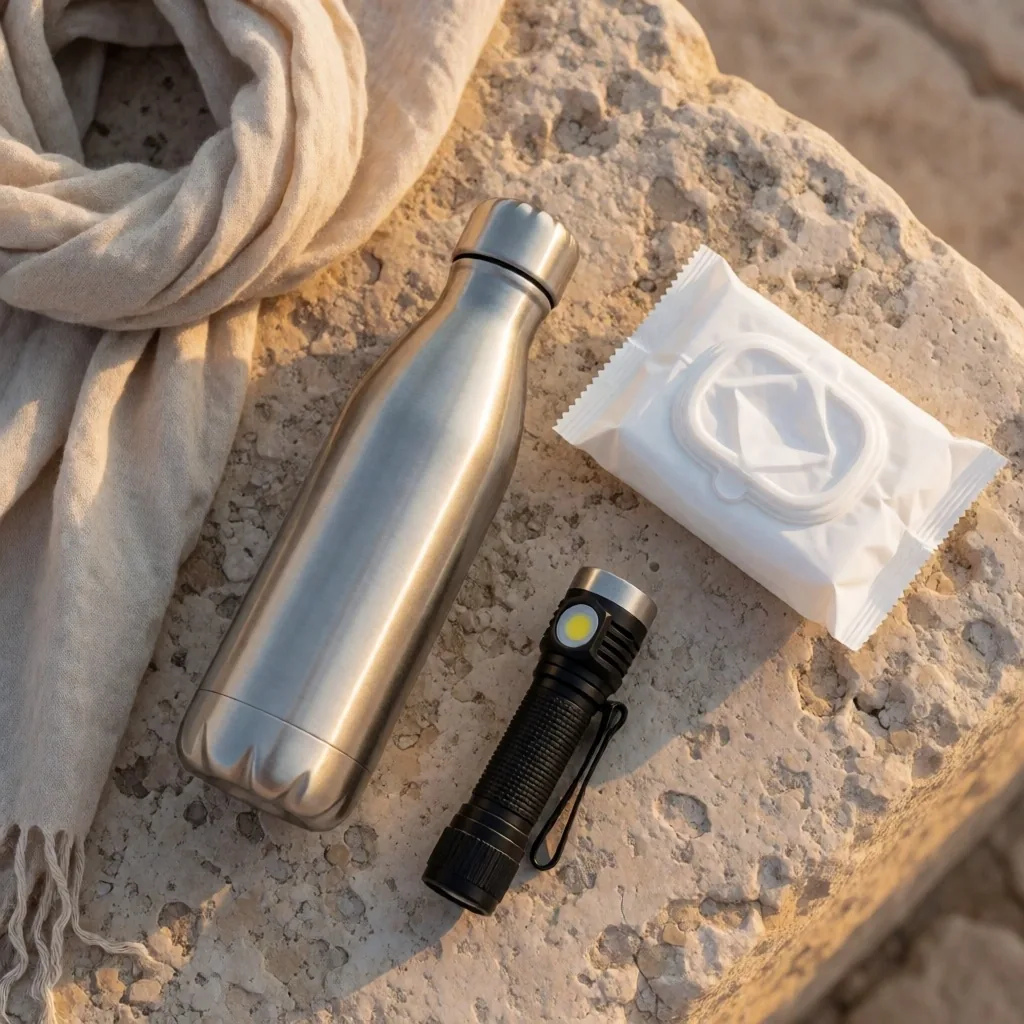
Small additions to your luggage can significantly improve daily comfort. A reusable water bottle with a built-in filter, though not always necessary if buying bottled water, can be a useful backup.

Wet wipes and hand sanitizer are invaluable for freshening up during long transit days. A small flashlight or headlamp can be helpful in areas where street lighting is inconsistent or when exploring rural paths after sunset.

Filtered bottle: useful where sealed bottled water is unavailable or as a weight-saving backup on longer routes.

Wet wipes and sanitizer: pack enough for each transit day — dust and grit accumulate fast on hands and face.

Headlamp: small, hands-free, and far safer than a phone light on uneven ground after dark.

Comfort items arranged on a stone surface
Before You Go

Take the full preparation checklist with you

This page covers every category above. For a printable summary you can fold into your travel wallet, download the one-page checklist and use it as a packing reference the night before departure.

Traveler Insight Egypt provides these travel guides as an informational resource. For questions about what to carry or how to adapt your wardrobe to a specific season, reach our team at [email protected] or call +201099544425.