
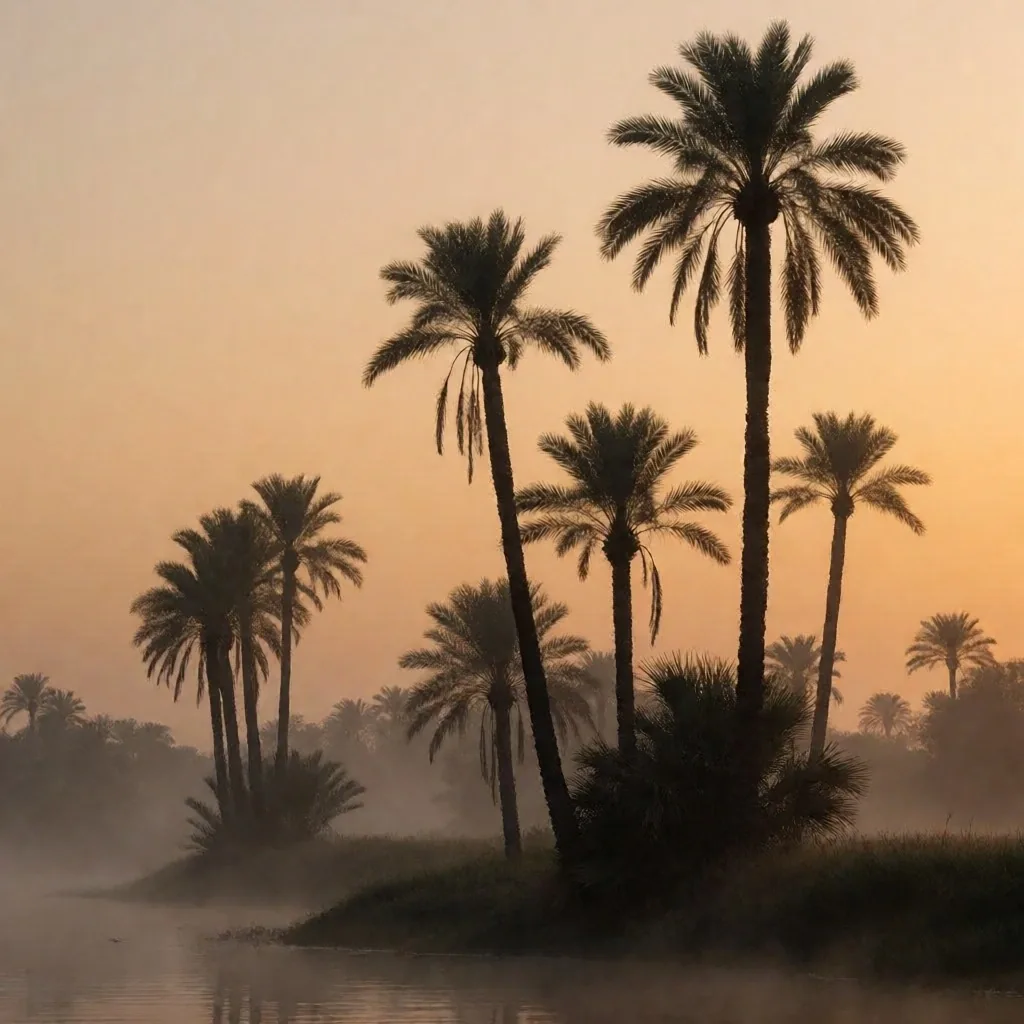
Prioritizing Personal Well-being and Awareness
Safety while travelling is a combination of preparation, environmental awareness, and following local guidance. The region is generally hospitable, but like any popular destination, it requires common sense and attention to detail.
Heat & Sun
Carry more water than you think you need. Find shade at the first sign of dizziness.
Street Flow
Cross with locals. Vehicles may not yield the way you expect.
Food & Water
Rely on sealed bottles. Eat where turnover is high and hot food arrives steaming.
This guide focuses on health precautions, personal security, and the environmental challenges of the area — so your experience stays smooth and secure from arrival onward.
A calm, practical approach to staying well
Every traveller into Egypt benefits from a few grounded habits. The climate is dry and intense, traffic in major cities follows its own rhythm, and digestive health depends on where your water and food come from. None of this is alarming — it is simply the texture of the place.
The pages below walk through the specific situations you are most likely to encounter, from crossing a busy street to handling a persistent vendor. Read the sections that apply to your itinerary, and keep the checklist nearby as you prepare.
Environmental Hazards and Heat Safety
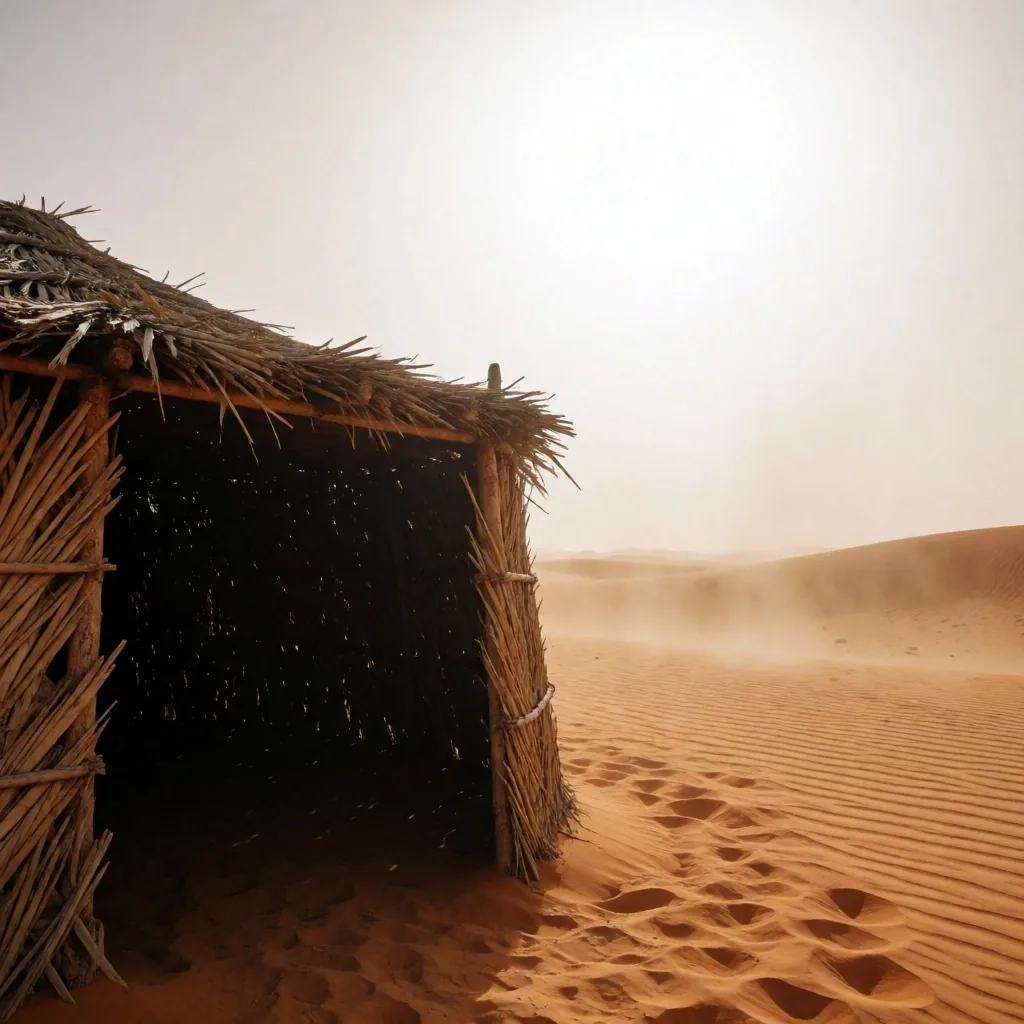
The most common safety concern in the region is not related to human activity, but to the environment itself. Heatstroke and severe dehydration can occur quickly if you are not careful. Carry more water than you think you need, and wear clothing that protects your skin from direct sun exposure.
If you begin to feel dizzy, nauseous, or develop a headache, find shade immediately and hydrate. Taking frequent breaks in air-conditioned or shaded areas is a standard part of safe travel in this climate — not a sign of weakness. Plan your outdoor activity for the early morning and late afternoon, and treat the midday hours as a time to rest indoors.
Dizziness, headache, nausea, stopped sweating
Shade, cool water, rest, loosen clothing
Before 10am and after 4pm outdoors
Navigating Traffic and Pedestrian Safety
Traffic in major urban centers can be intense and follows a logic that may be unfamiliar to visitors. Pedestrians should be extremely cautious when crossing busy streets, as vehicles may not always yield. It is often safest to cross with a group of locals or at designated signals where they exist.
If you are using local taxis or rideshare services, ensure the vehicle is in good condition and that the driver is focused on the road. Avoiding self-driving in the busiest cities is often recommended for those not used to the local flow.
- Cross at lights or follow the flow of local pedestrians
- Check that taxis are roadworthy before getting in
- Skip self-driving in dense central districts
Food and Water Precautions
Maintaining digestive health is a top priority. It is generally advised to avoid tap water for drinking and instead rely on bottled or filtered water. Choose busy establishments with high turnover, and ensure that hot food is served steaming.
While local street food is a highlight of the culture, those with sensitive stomachs should be cautious with raw vegetables or unpeeled fruits that may have been washed in local water. Carrying a small supply of stomach-settling medication is a wise precaution.
- Drink sealed bottled or properly filtered water
- Eat at busy spots where food turns over quickly
- Peel your own fruit; skip raw salads if unsure
Personal Security in Crowded Areas
Common sense security measures go a long way in ensuring a trouble-free experience. In crowded markets or on public transport, keep your belongings in front of you and be wary of pickpockets. Avoid carrying large amounts of cash or wearing expensive jewelry that might attract unwanted attention.
Using a hotel safe for your passport and extra funds, and only carrying what you need for the day, is a simple way to minimize risk. Being aware of your surroundings and trusting your instincts are your best tools for personal safety.
- Keep bags in front of you on transport and in markets
- Store passport and extra funds in the hotel safe
- Leave expensive jewelry and large cash sums behind
- Walk with purpose; trust your instincts about a situation
Respecting Local Laws and Regulations
Familiarizing yourself with local laws is essential, as some regulations may differ significantly from your home country. This includes rules regarding photography near military or government buildings, as well as local standards for public behavior.
Illegal substances carry very heavy penalties, and it is vital to avoid any involvement with them. If you are unsure about a local regulation, asking a member of your accommodation staff or a local guide can provide clarity and help you stay within legal boundaries.
Dealing with Persistent Vendors
In some high-traffic areas, you may encounter persistent vendors or individuals offering unsolicited assistance. The best way to handle these situations is with a polite but firm refusal and by continuing to walk toward your destination.
Engaging in long explanations or showing frustration can often lead to more persistence. Maintaining a confident demeanor and knowing where you are going reduces the likelihood of being targeted by those looking to take advantage of confused travellers.
Desert Travel and Remote Areas
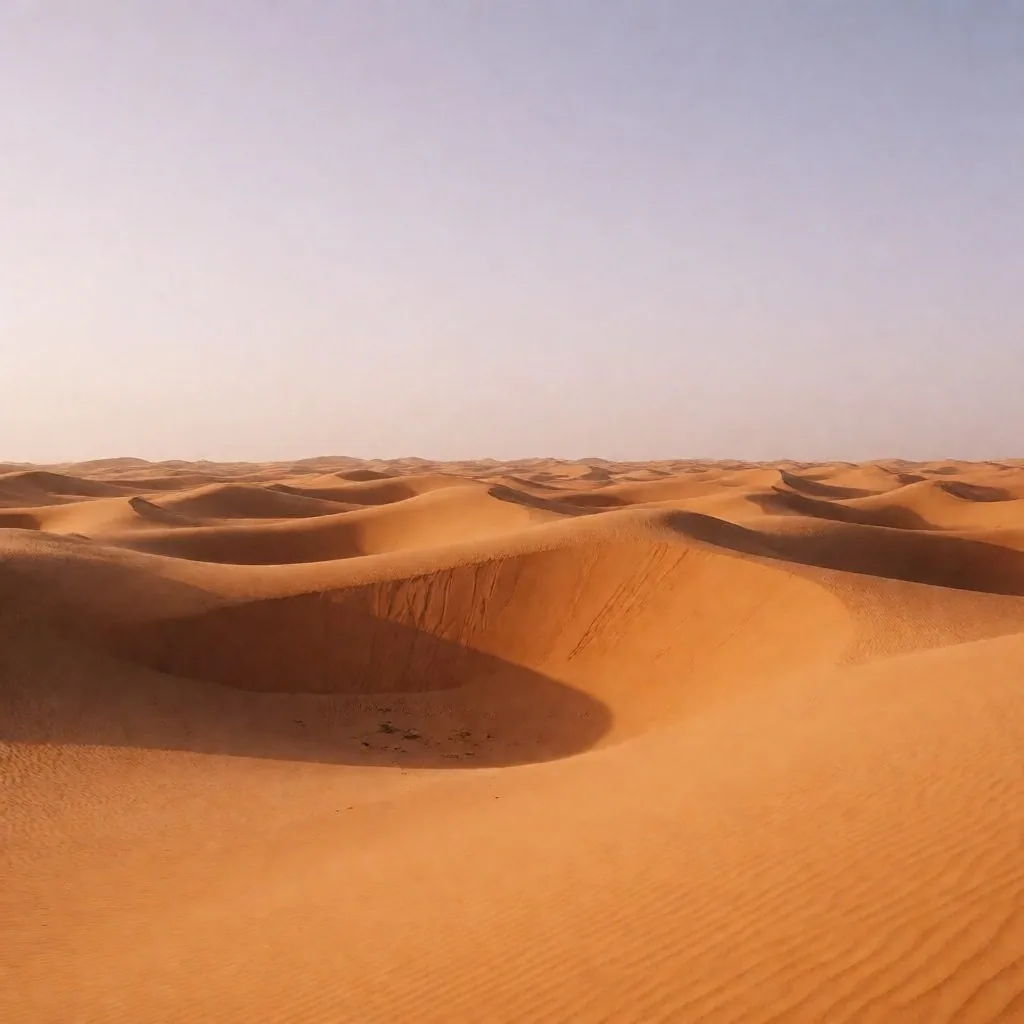
If you plan to explore the more remote desert regions, it is essential to do so with a reputable local guide who is familiar with the terrain and has the necessary equipment. The desert can be a disorienting place, and cellular signals may be non-existent.
Ensure that someone knows your planned route and expected return time. Carrying emergency supplies — including extra food, water, and a way to signal for help — is mandatory for any excursion off the beaten path. A basic whistle, a reflective emergency blanket, and a printed map of your route weigh almost nothing and can make a real difference if plans change.
Health Facilities and Emergency Services
Major cities have modern hospitals and clinics, many of which have English-speaking staff. It is highly recommended to have comprehensive travel insurance that covers medical emergencies and evacuation if necessary.
Before you depart, identify the locations of reputable clinics in the areas you plan to visit. In the event of a minor health issue, local pharmacies are often well-stocked and pharmacists can provide advice for common ailments.
Knowing the local emergency numbers is a basic but important step in your preparation. Save them in your phone before you arrive, and keep a written copy in your bag in case your battery runs low.
Insurance
Confirm coverage for medical care and evacuation before you travel.
Clinic locations
Note the nearest reputable clinics for each city on your itinerary.
Pharmacy basics
Carry stomach-settling medication, rehydration salts, and any prescriptions.
Emergency numbers
Save local emergency contacts on your phone and on paper.
Health & Safety Checklist
A compact reference for the essentials covered on this page. Work through it before you depart and keep it handy during your trip.
Emergency Contact Info
Save these numbers before you arrive. Keep a printed copy in your bag alongside your travel documents in case your phone runs out of power.
If you have questions about preparing for a specific area on your itinerary, reach out — we are glad to help you think through the details.
Police
General emergency response
Ambulance
Medical emergencies
Tourism Police
Assistance for visitors
Fire Department
Fire and rescue
Traveler Insight Egypt
Related travel guides
These egypt travelling guides cover the practical side of preparing for your trip — what to pack, how to read the weather, and how to navigate local customs with ease.