
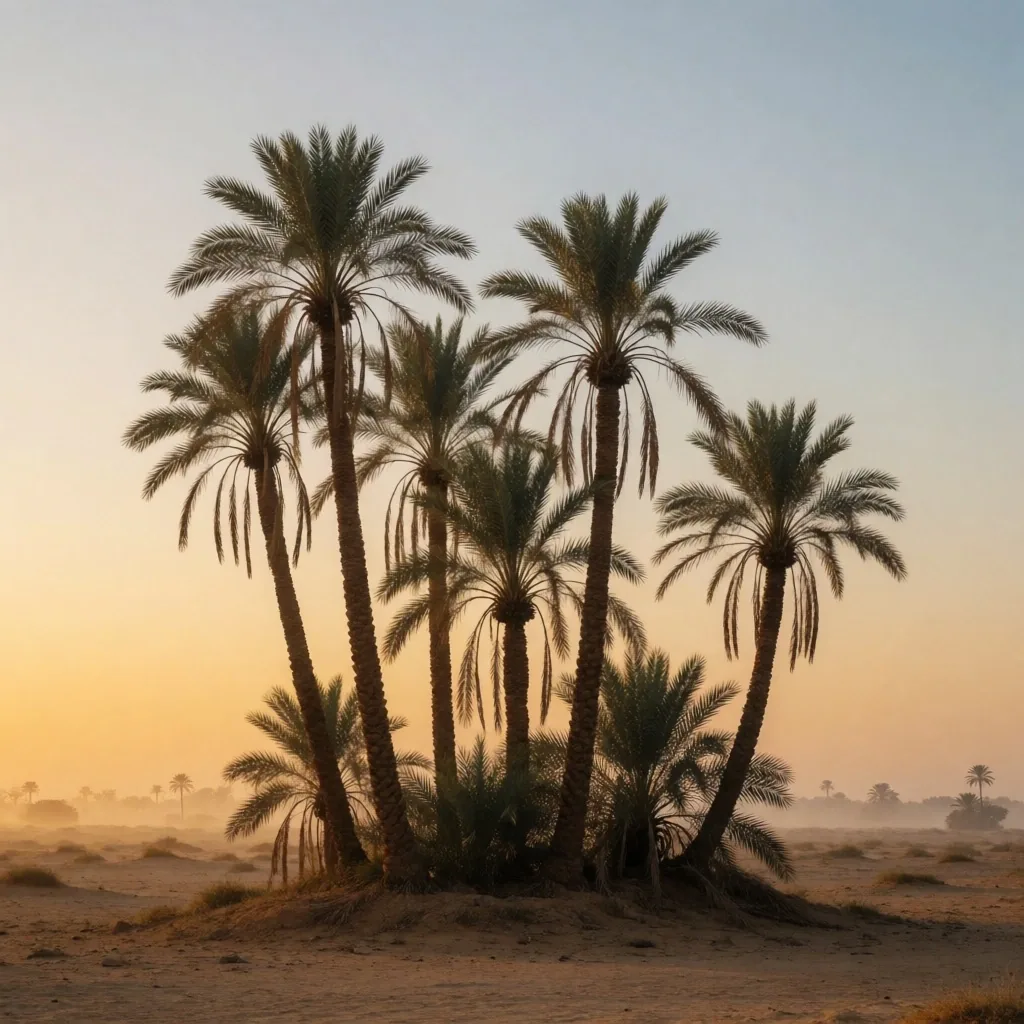
Understanding Climate Patterns and Ideal Timing
The climate is arid and hot, yet the seasonal shifts shape every part of the journey. For the traveller into Egypt, these egypt travelling guides break down weather by season so you can match your daily rhythm to the local environment.
Nov — Apr
Mild days, cool nights
May — Oct
Dry heat, 40°C+
Spring
Dusty winds, low visibility
Sea Breeze
Milder, more humid
The Transition of Seasons
The region experiences two main seasons: a mild winter from November to April and a hot summer from May to October. The transition periods in spring and autumn are brief but can bring unique weather events, such as the dusty winds known as the Khamaseen.
These winds can temporarily reduce visibility and increase temperatures, making it a time when indoor activities might be preferable. Tracking these shifts allows for more flexible planning and better preparation for sudden environmental changes.
For those using egypt travelling guides to plan a stay, the shoulder weeks around October and late March are often the most rewarding: the air is dry, the light is clear, and the midday sun is not yet at full intensity. You get the openness of summer without the strain it places on the body.
Summer Extremes and Strategies
During the peak summer months, temperatures in the interior can frequently exceed 40 degrees Celsius (104 degrees Fahrenheit). The midday sun is incredibly intense, and many locals adjust their schedules to avoid being outdoors between 12:00 PM and 4:00 PM.
Visitors are encouraged to follow suit, focusing their exploration on early morning or late evening hours. Coastal regions benefit from sea breezes, but the humidity can make the heat feel more oppressive than in the dry desert air.
If you are heading to southern areas in July or August, plan for short, shaded outings before 10 AM, a long midday rest, and a second window of activity after sunset. The air cools fast once the sun drops, and the hours after dusk are often the most pleasant of the day.
Winter Comfort and Evening Cool
Winter is widely considered the most pleasant time for outdoor exploration, with daytime temperatures hovering in the low 20s Celsius (70s Fahrenheit). The sky is typically clear and blue, providing excellent light for photography and sightseeing.
However, desert climates lose heat rapidly once the sun sets. Evenings can become quite chilly, requiring a jacket or heavy sweater, especially if you are staying near the river or in the open desert.
The drop can be dramatic: a warm afternoon at 24°C can fall to 10°C or lower within an hour of darkness. Layers that pack small — a light fleece under a windproof shell — are the most efficient way to bridge the gap between daytime sun and nighttime chill.
Coastal Variations and Sea Temperatures
The areas bordering the sea experience a more Mediterranean-like climate, with milder winters and slightly cooler summers compared to the southern interior. Sea temperatures remain relatively warm year-round, making water-based activities possible even in the cooler months.
Rainfall is rare throughout the country but is most likely to occur along the northern coast during the winter. These brief showers are rarely enough to disrupt travel plans but can provide a refreshing change to the usual dry conditions.
Regional Differences: North vs South
There is a noticeable temperature gradient as one moves from the northern coast toward the southern border. The south is consistently warmer and drier, with summer temperatures that can be several degrees higher than in the north. Understanding this divide helps in tailoring your wardrobe if you plan to traverse the entire length of the country.
Northern Coast
- — Milder winters with occasional brief showers along the shore
- — Sea breeze lowers the daytime peak by a few degrees in summer
- — Higher humidity makes the air feel denser than the dry interior
- — A light jacket may be needed on winter evenings near the water
Southern Interior
- — Consistently warmer and drier throughout the year
- — Summer peaks several degrees above the northern coast
- — Very low humidity means sweat evaporates fast — drink more than you think
- — Evenings stay warm enough for a single light layer most nights
Impact of the River on Local Microclimates
The central waterway creates a unique microclimate along its banks, where the presence of water and vegetation provides a slight cooling effect compared to the surrounding desert. This strip of greenery is where the majority of the population lives and where much of the agricultural activity takes place.
Humidity levels are naturally higher near the water, which can affect how the temperature is perceived. Staying in accommodations near the river can offer a more temperate environment during the warmer months — the difference is subtle but noticeable at dawn and after sunset, when the air over open desert swings more sharply than the air near the water.
Planning Around Daylight Hours
Daylight duration varies less than in northern latitudes, but the shift still impacts how much can be accomplished in a day. In the winter, the sun sets relatively early, around 5:00 PM, which limits the time available for viewing outdoor sites.
In the summer, the days are longer, but the extreme heat during the middle of the day often cancels out the extra hours of light. Balancing your itinerary to account for these light cycles ensures you aren't caught in the dark in unfamiliar rural areas.
Adapting to Dry Air
The low humidity characteristic of the region has a significant impact on physical comfort. Sweat evaporates quickly, which helps in cooling the body but can lead to rapid dehydration without a person noticing.
It is also common to experience dry skin, eyes, and nasal passages. Carrying saline spray and using high-quality moisturizers can mitigate these effects. Staying hydrated is a continuous task, and one should drink water regularly even if they do not feel particularly thirsty.
Skin & Eyes
Pack a fragrance-free moisturizer, lip balm, and saline eye drops. Reapply after sun exposure and before sleep.
Water Intake
Sip small amounts continuously through the day rather than waiting for thirst. Add electrolytes if you are out for more than two hours.
Matching Your Plans to the Season
Good travel guides for this region tend to share one principle: plan around the environment, not against it. Here is a concise checklist that pulls together the seasonal points above into decisions you can make while preparing your itinerary.
- 01 Check the month before you finalize your route. If your dates fall in July or August, consider spending more time on the coast and less in the deep south.
- 02 Split your day into two activity windows. Move in the early morning and again after sunset, with a long shaded rest in between.
- 03 Pack for temperature swings. A light layer for winter evenings near the river or desert, and breathable long sleeves for sun protection in summer.
- 04 Watch for Khamaseen winds in spring. If visibility drops, shift to indoor or sheltered plans for that day rather than pushing through the dust.
- 05 Drink water before you feel thirsty. The dry air pulls moisture from your body faster than your thirst signal can keep up.
Keep Building Your Itinerary
These seasonal notes are one part of a broader set of egypt travelling guides. Move on to what to pack for each climate band, or review the safety considerations that apply across the region.
Traveler Insight Egypt is a non-commercial informational resource. If you have a question about seasonal planning that these travel guides do not cover, reach out and we will point you in the right direction.